


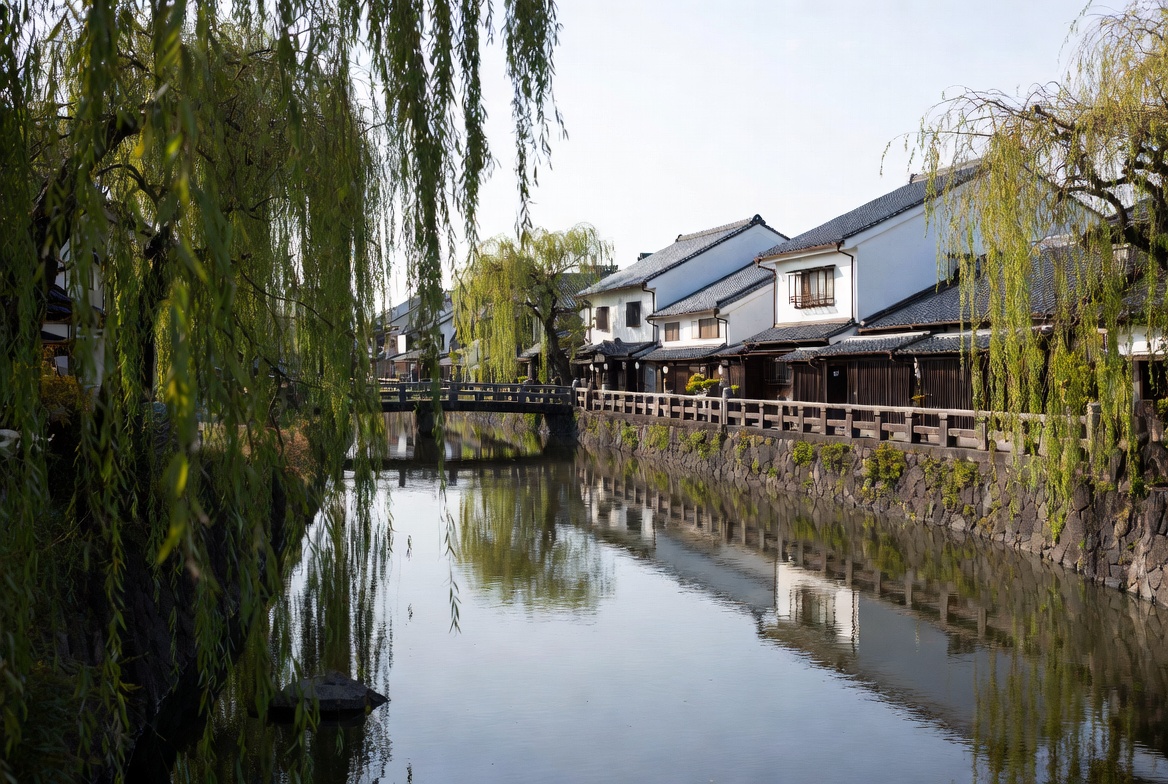
In a country where iconic destinations like Kyoto and Tokyo often feel overwhelmed by crowds, Bikanntiku (the Kurashiki Bikan Historical Quarter) stands out as a peaceful, beautifully preserved gem in Okayama Prefecture. This historic canal district, with its white-walled storehouses, weeping willows, and slow-moving boats, offers American travelers an authentic slice of old Japan without the overwhelming tourist density.
Whether you’re a busy professional seeking a meaningful cultural escape, a photography enthusiast, or someone planning a thoughtful Japan itinerary in 2026, Bikanntiku delivers quiet charm, world-class art, and walkable streets steeped in Edo-period history. This guide covers everything you need to know — from must-see attractions and practical logistics to balanced insights on timing, costs, and how to make the most of your visit.
Key Takeaways
- Bikanntiku offers a serene, less-crowded alternative to Kyoto’s historic districts while delivering equally photogenic traditional Japanese architecture and canal views.
- The Ohara Museum of Art houses Japan’s first major collection of Western masterpieces, making it a surprising cultural highlight in a small town.
- A traditional canal boat ride provides the most immersive and relaxing way to experience the district’s unique “Venice of Japan” atmosphere.
- The area is ideal for a half-day or full-day trip from Okayama, Hiroshima, or even Osaka, with excellent train connections.
- Visitors should plan around seasonal crowds (especially cherry blossom season and autumn) and note that some paths have steps and limited English signage.
- Combining Bikanntiku with nearby Okayama Castle and Kōrakuen Garden creates a rich, well-rounded cultural day.
- Sustainable, slow-travel practices — such as supporting local shops and avoiding peak-hour boat rides — help preserve the district’s tranquil character for future visitors.
What Is Bikanntiku? Background and History
Bikanntiku, officially known as the Kurashiki Bikan Historical Quarter, sits in the heart of Kurashiki city in Okayama Prefecture. During the Edo period (1603–1868), this area thrived as a prosperous merchant and shipping hub, particularly for cotton and rice transported along the canal system.
The distinctive kura (thick-walled storehouses) with white plaster and black tiled roofs were built to protect goods from fire and humidity. Many of these historic buildings have been lovingly restored and now house boutiques, cafes, galleries, and museums. The willow-lined canal that runs through the district gives the area its nickname — the “Venice of Japan.”
Unlike heavily commercialized historic zones, Bikanntiku has maintained a lived-in, authentic feel. Local residents still use the streets, and the pace remains relaxed. In 2026, it continues to attract travelers looking for genuine cultural experiences rather than Instagram-only hotspots.
Key Attractions and How to Experience Them
The district is compact and highly walkable. Most visitors spend 3–6 hours here, depending on how deeply they explore the museums and shops.
1. Ohara Museum of Art Japan’s first dedicated Western art museum (opened 1930) features an impressive collection including works by Monet, Renoir, Picasso, El Greco, and more. The contrast between the European masterpieces inside and the traditional Japanese town outside is striking. Allow 60–90 minutes. Admission is approximately ¥2,000 for adults.
2. Canal Boat Ride The classic Bikanntiku experience. Traditional wooden boats glide slowly along the willow-shaded canal while a guide (usually in Japanese) shares local history. The 20–30 minute ride costs around ¥500–600. It’s touristy but genuinely enjoyable and offers the best views of the kura buildings.
3. Strolling the Historic Streets Wander Honmachi-dori and the surrounding lanes. The cobblestone paths, old storefronts, and ivy-covered walls create endless photo opportunities. Stop at small craft shops, sweet shops selling local specialties, and cafes housed in converted storehouses.
4. Ivy Square A former cotton mill beautifully converted into a complex with restaurants, a hotel, shops, and event spaces. The Western-style brick architecture offers a nice contrast to the traditional kura buildings.
5. Achi Shrine & Surrounding Area Climb the steps behind the main district to reach this historic shrine for elevated views over the town. The hike is short but rewarding, especially in autumn when foliage is colorful.
Benefits and Advantages for Travelers
Bikanntiku excels as a destination for travelers who value authenticity over spectacle. It delivers:
- A genuine sense of old merchant-town Japan without the overwhelming crowds of Kyoto or Kanazawa.
- High-quality cultural experiences (world-class art + living history) in a compact, easy-to-navigate area.
- Excellent photography conditions thanks to the canal reflections, willows, and preserved architecture.
- A relaxed pace that supports mindful travel and work-life balance — ideal for professionals needing a restorative break.
- Strong support for local businesses when visitors shop at independent stores and eat at family-run spots.
For American visitors, it also serves as an accessible introduction to regional Japan beyond the usual Tokyo–Kyoto–Osaka circuit.
Risks, Limitations, and Potential Downsides
While charming, Bikanntiku has some practical limitations:
- Crowds: Peak seasons (late March–early April for cherry blossoms and October–November for autumn leaves) bring significantly more visitors, reducing the peaceful atmosphere.
- Accessibility: Many paths are uneven or have steps. Wheelchair users and those with mobility challenges may find parts difficult.
- Language: Signage and boat narration are mostly in Japanese. Some museum staff speak basic English, but full explanations often require translation apps or guides.
- Weather dependent: The canal and outdoor experience are less enjoyable in heavy rain or extreme summer heat/humidity.
- Limited dining variety: While there are good cafes and restaurants, options for diverse dietary needs (especially vegan or specific allergies) can be limited compared to bigger cities.
Comparison with Alternatives
Here’s how Bikanntiku compares with other popular historic districts in Japan:
| Aspect | Bikanntiku (Kurashiki) | Kyoto Gion / Higashiyama | Takayama Old Town |
|---|---|---|---|
| Crowd Levels | Low to Moderate | Very High | Moderate |
| Authenticity | High (living merchant town) | Mixed (heavily touristic) | High |
| Iconic Feature | Canal + white kura | Wooden machiya + geisha area | Mountain town + morning market |
| Western Art Museum | Excellent (Ohara) | Limited | None |
| Ease as Day Trip | Very Easy from Okayama | Easy from Kyoto/Osaka | Requires more planning |
| Best For | Relaxed cultural visit | First-time Japan visitors | Foodies & mountain lovers |
Bikanntiku wins for travelers who want beauty and culture without fighting massive crowds.
Key Considerations Before Visiting in 2026
- Best Time: Late March–April (cherry blossoms) and October–November (autumn colors) are most beautiful but busiest. May–June and September offer fewer crowds and pleasant weather. Avoid Golden Week (late April–early May) and Obon (mid-August).
- How to Get There: From Okayama Station, take the JR Sanyō Line toward Kurashiki (about 15 minutes). The historic quarter is a 10–15 minute walk from Kurashiki Station.
- From Major Cities: Easy Shinkansen access via Okayama from Osaka (45–60 min), Hiroshima (30–40 min), or Tokyo (3.5–4 hours).
- Budget: Expect ¥3,000–6,000 per person for museum entry + boat ride + meals and souvenirs.
- Accessibility & Families: Stroller-friendly in main areas but challenging with steps near the shrine. Good for older children interested in history or art.
- Sustainability: Support local businesses, avoid single-use plastics, and be respectful when taking photos near private homes.
Best Practices for an Enjoyable Visit
- Arrive early (before 10 AM) or later in the afternoon to enjoy quieter streets.
- Download a translation app (Google Translate camera function works well for menus and signs).
- Combine with Okayama Castle and Kōrakuen Garden for a full, satisfying day.
- Take your time — this is a place for slow wandering, not rushing between attractions.
- Bring comfortable walking shoes; the cobblestones can be uneven.
- Consider staying overnight in one of the historic ryokan or hotels in Ivy Square for a more immersive experience.
Conclusion
Bikanntiku represents the best of what regional Japan has to offer in 2026: preserved heritage, world-class art, and a tranquil atmosphere that larger destinations often lack. For US professionals and thoughtful travelers, it provides a meaningful cultural experience that feels both timeless and refreshing.
While it requires some planning around crowds and accessibility, the rewards — peaceful canal views, impressive art, and authentic local character — make it well worth the effort. Whether you have half a day or a full day, Bikanntiku delivers a memorable, balanced taste of Japan’s rich history without the exhaustion of overtourism.
FAQs
How much time do I really need in Bikanntiku?
Most visitors enjoy 3–5 hours. Art lovers or photographers may easily spend a full day.
Is Bikanntiku worth visiting if I only have limited time in Japan?
Yes — especially if you’re already traveling through Okayama, Hiroshima, or the San’yo region. It offers high cultural value with relatively low time commitment.
What is the best season to visit Kurashiki Bikan Historical Quarter?
Spring (cherry blossoms) and autumn (fall foliage) are the most beautiful. Shoulder seasons (May–June, September) offer fewer crowds and pleasant weather.
Do I need to book the canal boat ride in advance?
Usually not necessary except during major holidays. Tickets are sold at the tourist information center near the canal.
Is English widely spoken in Bikanntiku?
Basic English is available at major spots like the Ohara Museum and some shops, but don’t expect fluent service everywhere. Translation apps are very helpful.
Can I combine Bikanntiku with Okayama Castle and Kōrakuen Garden?
Absolutely. Many visitors do this as a full-day itinerary from Okayama. The three sites complement each other beautifully.
Are there good dining options for vegetarians or specific diets?
Options exist but are limited. Several cafes offer vegetarian-friendly light meals and sweets. Research ahead or ask hotel staff for recommendations.
Is the area good for photography?
Excellent. The canal reflections, willows, and historic buildings create stunning compositions, especially in morning or late afternoon light.