


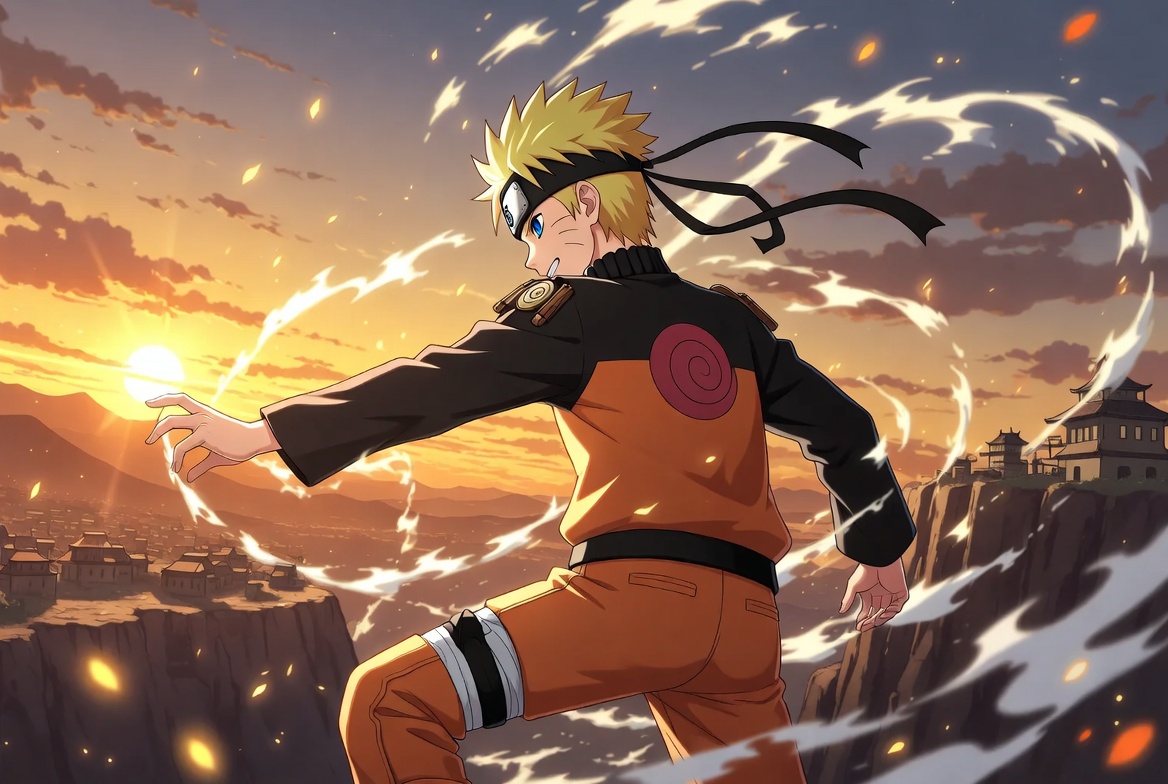
In an era defined by fragmented attention spans, algorithm-driven short-form content, and rapid content churn, long-running serialized narratives face steep odds. Yet Narutas Viesulo Kronikos the Lithuanian title for the landmark anime series Naruto: Shippuden continues to command respect and emotional investment more than a decade after its original Japanese run concluded. As new entries in the broader Naruto universe prepare to arrive in late 2026, media professionals, content strategists, and business leaders have fresh reason to examine what made this saga endure and what it still teaches about building lasting audience relationships in a global, digital-first marketplace.
This article analyzes the series’ structural strengths, cultural adaptability, economic ripple effects, and strategic limitations. It offers a balanced assessment for decision-makers who develop, license, market, or draw inspiration from intellectual property in entertainment, gaming, and transmedia ecosystems. Whether you oversee content pipelines, manage fan communities, or study how emotional storytelling converts into commercial longevity, the lessons from Narutas Viesulo Kronikos remain remarkably current.
Key Takeaways
-
-
- Timeless emotional architecture beats fleeting trends. Deep, consistent character growth and universal themes of perseverance, belonging, and redemption created loyalty that survived platform shifts, generational turnover, and the rise of TikTok-style consumption.
- Localization expands global reach without diluting core identity. The Lithuanian broadcast adaptation demonstrated how respectful cultural translation can unlock new markets while preserving the original’s distinctive voice a model with direct parallels to international product launches and content localization strategies.
- Expansive yet coherent world-building fuels transmedia value. The series constructed a scalable universe that supported manga, anime, video games, merchandise, and spin-offs, generating sustained revenue streams long after the main storyline ended.
- Pacing discipline and filler management remain critical risks. Even masterpieces suffer when serialization prioritizes volume over momentum; modern creators must balance episode counts with narrative economy.
-
- Nostalgia plus new canon creates powerful re-engagement opportunities. The 2026 return of Naruto-related animation underscores how legacy properties can re-enter the conversation when handled with authenticity rather than pure exploitation.
- Character-driven conflict scales better than plot-driven spectacle alone. The series’ most resonant moments arise from internal and relational struggles, offering a blueprint for brands and storytellers seeking emotional differentiation in crowded markets.
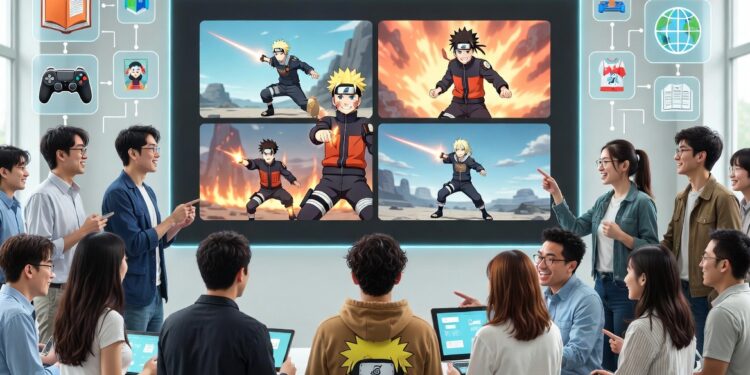
- Community and participatory culture amplify commercial outcomes. Fan engagement extended far beyond passive viewing into creative output, education, and social connection, multiplying the property’s cultural and economic footprint.
Background: What Is Narutas Viesulo Kronikos?
Narutas Viesulo Kronikos is the Lithuanian-language presentation of Naruto: Shippuden, the 2007–2017 sequel series to the original Naruto anime. In Lithuania, the show premiered on the BTV channel around 2013 and quickly became a cultural touchstone for a generation that had previously encountered mostly Western animation. The title itself — “Narutas” for the protagonist and “Viesulo Kronikos” translating roughly to “Chronicles of the Whirlwind” or “Storm Chronicles” poetically captures both the literal storms of battle and the metaphorical emotional turbulence at the story’s heart.
The series follows Naruto Uzumaki and his comrades as they transition from adolescence into young adulthood, confronting escalating threats from the criminal organization Akatsuki, personal demons, and the lingering scars of past wars. Spanning roughly 500 episodes, it represents one of the most ambitious long-form animated narratives in modern media history. While originally a Japanese production rooted in mangaka Masashi Kishimoto’s vision, its Lithuanian iteration highlighted how high-quality localization can transform a foreign property into a local phenomenon.
In 2026, with fresh Naruto animation announced and streaming platforms continuing to mine legacy catalogs, the series occupies a unique position: old enough to benefit from nostalgia cycles, yet thematically resonant with contemporary conversations about resilience, identity, and cycles of conflict.

Core Components: How the Narrative Engine Works
At its foundation, Narutas Viesulo Kronikos operates through several interlocking systems that reward sustained engagement.
Character progression as primary driver. Unlike many action series that reset power levels or introduce new protagonists, Shippuden invests heavily in the psychological evolution of its core cast. Naruto’s journey from ridiculed orphan to recognized leader is not merely aspirational; it is earned through repeated failure, strategic growth, and moral reckoning. Sasuke’s parallel arc explores the corrosive effects of trauma and vengeance. Supporting characters receive meaningful screen time that deepens rather than resets their motivations.
Thematic consistency across scale. The “whirlwind” metaphor extends beyond action set pieces. The series repeatedly interrogates cycles of hatred, the cost of war, the meaning of family (chosen and biological), and the tension between individual dreams and collective responsibility. These themes recur at personal, village, and global levels, creating intellectual cohesion rare in long-running shonen.
World-building with expandable rules. The ninja system — chakra mechanics, jutsu hierarchies, village politics, and historical grievances — provides a rule set flexible enough for escalating stakes while remaining internally consistent. This architecture later supported spin-off games and Boruto without requiring complete reinvention.
Audio-visual identity. The soundtrack, voice performances (both Japanese originals and localized dubs), and evolving animation quality contribute to emotional memory. Iconic tracks and vocal tics became cultural shorthand for viewers worldwide.
These components function interdependently. Remove any one — shallow characters, inconsistent rules, or weak audio identity and the whole edifice weakens. Their integration explains why casual viewers often become deeply invested over hundreds of episodes.
Benefits and Advantages
For audiences, the series delivers repeated emotional payoffs that short-form content rarely achieves. Viewers report lasting lessons in resilience that translate into professional and personal contexts — a form of narrative “soft skill” development.
For the industry, Narutas Viesulo Kronikos exemplifies durable IP economics. The Naruto franchise has generated billions across manga sales, anime licensing, video games (notably the Ultimate Ninja Storm series), and merchandise. Its model demonstrates how patient serialization can create multiple monetization windows: initial broadcast, streaming residuals, nostalgia re-releases, and new canon extensions.
Culturally, the Lithuanian adaptation illustrates successful market entry. Rather than a generic global dub, the localized version respected both source material and target audience sensibilities, fostering organic community growth. This mirrors best practices in international expansion for entertainment and consumer brands: deep localization often outperforms superficial translation.
In 2026’s attention economy, the series also proves that depth can compete with speed. While TikTok clips and YouTube shorts dominate discovery, sustained narrative investment still converts viewers into advocates who drive organic discovery and long-term platform stickiness.
Risks, Limitations, and Potential Downsides
No masterpiece is flawless. Narutas Viesulo Kronikos carries well-documented structural weaknesses that modern creators should study.
Filler and pacing drag. A significant portion of episodes adapt filler material or stretch manga chapters across multiple installments. While some filler arcs add world color, many interrupt momentum and test viewer patience — a liability in an era when audiences can easily abandon long-form stories.
Power scaling and late-series fatigue. As conflicts escalate to planetary stakes, some fans argue that earlier grounded emotional stakes become diluted. Later arcs occasionally prioritize spectacle over the intimate character work that defined earlier seasons.
Accessibility barriers for new viewers. A 500-plus-episode commitment represents a substantial time investment. In 2026, discovery algorithms and competing priorities make onboarding new audiences challenging without curated entry points or recap tools.
Over-commercialization risks. Extensive merchandising and spin-offs can dilute perceived authenticity if not managed carefully. The balance between artistic integrity and franchise expansion remains delicate.
These limitations do not negate the series’ achievements, but they underscore the importance of disciplined narrative architecture and respect for audience time — principles equally relevant to SaaS onboarding, long-form journalism, or branded content series.
Comparison with Alternatives
| Aspect | Narutas Viesulo Kronikos (Shippuden) | One Piece | Modern Hits (e.g., Jujutsu Kaisen, Demon Slayer) | Dragon Ball Franchise |
|---|---|---|---|---|
| Episode/Manga Length | ~500 episodes | 1,000+ chapters | 20–60 episodes per season | Decades of content |
| Thematic Depth | High (war, trauma, redemption) | High (freedom, found family) | Moderate to High (power, morality) | Moderate (growth, rivalry) |
| Pacing Discipline | Inconsistent (notable filler) | Generally strong | Strong, tight seasons | Variable |
| Transmedia Success | Very High (games, merch, spin-offs) | Extremely High | High (films, merch) | Extremely High |
| New Viewer Accessibility | Challenging | Challenging | High | Moderate |
| Cultural Export Model | Strong localization example | Global phenomenon | Global but shorter commitment | Foundational |
The comparison reveals that long-form success requires trade-offs. Shorter, high-production modern series win on accessibility and visual polish; longer sagas win on emotional investment and universe scale when executed with discipline.
Also Read: iRobux Login: 5 Security Mistakes You Must Avoid
Key Considerations Before Engaging or Drawing Inspiration
Professionals evaluating the series for personal viewing, team inspiration, or strategic modeling should weigh several factors:
- Time and emotional commitment. The payoff rewards patience, but requires buy-in. Curated “essential episode” lists or manga-first approaches can mitigate onboarding friction.
- Cultural and historical context. Themes of post-war reconciliation and chosen family resonate differently across audiences; sensitivity to these layers enhances appreciation.
- Platform and legal access. In 2026, legitimate streaming options (Crunchyroll, Netflix in various regions) support the creators and provide high-quality subtitles or dubs.
- Business modeling implications. If studying the property for IP strategy, focus on how early world-building investments created optionality for decades of extensions rather than chasing immediate virality.
- Audience demographics. Core fans skew millennial and older Gen Z; nostalgia cycles can re-engage them, while new entries must also attract younger viewers without alienating veterans.
Real-World Use Cases and Case Studies
Localization as market-expansion strategy. The Lithuanian broadcast success shows how thoughtful adaptation — preserving dramatic tone while making cultural references accessible — can turn imported content into a local staple. Media companies entering new territories can apply similar rigor rather than relying on machine translation or minimal localization.
Fan economy amplification. The series inspired language learning, martial arts interest, fan art economies, and community events in Lithuania and globally. Brands that treat audiences as co-creators rather than passive consumers often see higher lifetime value and organic advocacy.
Leadership and resilience narratives. Corporate trainers and educators have referenced Naruto’s perseverance arc when discussing growth mindsets and overcoming systemic bias. While not a substitute for rigorous development programs, narrative case studies can make abstract concepts memorable.
Transmedia portfolio management. The progression from manga to anime to games to potential new 2026 animation demonstrates phased release strategies that keep a universe alive across decades and platforms.
Best Practices for Consumption or Strategic Application
For individual viewers and teams:
- Watch in release order (original Naruto before Shippuden) or use reputable recap resources for efficiency.
- Engage actively with thematic discussions rather than passive bingeing to extract maximum insight.
- Compare subbed and dubbed versions to appreciate localization craft.
For content creators and media strategists:
- Prioritize character interiority and recurring thematic motifs over constant plot escalation.
- Design expandable rule sets early, even if initial stories remain intimate.
- Plan for “filler” equivalents — side content that enriches without derailing main arcs.
- Build nostalgia triggers intentionally; they become powerful re-entry points years later.
- Invest in community infrastructure (forums, events, user-generated content pathways) that multiplies reach.
Conclusion
Narutas Viesulo Kronikos endures in 2026 not because it is flawless, but because its core architecture emotionally grounded characters, coherent thematic inquiry, and a world built for expansion continues to deliver returns on audience investment. In a media environment obsessed with velocity, it stands as evidence that depth and consistency still create durable cultural and commercial assets.
For business and media professionals, the series offers neither a simple template nor a cautionary tale, but a case study in trade-offs: the rewards of ambitious serialization versus the risks of narrative bloat; the power of localization versus the cost of cultural specificity; the value of legacy IP versus the necessity of respectful evolution. As new Naruto stories emerge this year, the benchmark remains clear: stories that treat audiences as capable of sustained attention and emotional complexity will continue to outperform those engineered solely for the next scroll.
The whirlwind has not settled. Its lessons, however, are available to any creator or strategist willing to look beyond the surface spectacle.
FAQs
What does “Narutas Viesulo Kronikos” literally mean?
“Narutas” is the Lithuanian rendering of Naruto, while “Viesulo Kronikos” translates to “Chronicles of the Whirlwind” or “Storm Chronicles,” evoking both literal battles and the protagonist’s turbulent inner journey.
Is Narutas Viesulo Kronikos exactly the same as Naruto: Shippuden?
Yes. It is the localized Lithuanian title and broadcast version of the Japanese anime Naruto: Shippuden (2007–2017). The core story, characters, and major arcs remain identical, though voice acting, subtitles, and minor cultural adaptations differ.
Why do some viewers consider it a masterpiece despite hundreds of episodes?
Its strength lies in consistent character development and thematic depth rather than constant novelty. When the series focuses on relationships, trauma, and moral complexity, it achieves emotional resonance rare in long-form animation.
How has the series influenced the broader anime and media industries economically?
The Naruto franchise demonstrated the viability of massive serialized universes that support games, merchandise, and spin-offs for decades. It helped normalize long-running shonen as legitimate transmedia businesses rather than niche cartoons.
What are the biggest criticisms leveled at the later arcs?
Common critiques include pacing issues from filler episodes, occasional power-scaling inconsistencies, and a shift toward larger-scale conflicts that some feel diluted earlier intimate stakes.
How should new viewers approach the series in 2026?
Many recommend watching the original Naruto series first (or using condensed recaps), then moving into Shippuden. Streaming platforms offer curated playlists; dedicated fans maintain “essential episode” guides that preserve story integrity while reducing total runtime.
What lessons does it offer brands and content strategists?
Prioritize emotional continuity and world-building optionality over short-term virality. Respect audience intelligence and time. Plan for multiple monetization windows across platforms and generations. Treat localization as a creative opportunity, not merely a translation task.
Will the 2026 Naruto anime projects connect directly to Narutas Viesulo Kronikos?
New animation is expected to expand the universe rather than strictly continue the Shippuden timeline. Details remain emerging, but legacy properties succeed when they honor established emotional truths while offering fresh entry points.