

Netflix’s KPop Demon Hunters has proven that even a direct-to-streaming animated hit can generate meaningful theatrical demand through carefully timed, limited-run sing-along events. As of mid-June 2026, major chains including Cinemark, Regal, and AMC are once again offering KPop Demon Hunters: A Sing-Along Event screenings tied to the film’s one-year anniversary, following successful limited engagements in August and Halloween 2025.
These events full-length screenings with on-screen lyrics that invite audiences to sing along have sold out rapidly in prior runs and even helped the title briefly top the North American box office. For US theater operators, ticketing platforms, distributors, and streaming executives, they represent a replicable model of event cinema that blends communal fandom with hybrid release economics.
This article examines what these K Pop Demon Hunters theaters experiences entail, how the operational and partnership model works, the tangible benefits and measurable risks for participating businesses, comparisons with traditional and pure-streaming alternatives, and the key considerations decision-makers should weigh before committing screens or resources. The analysis draws on documented performance data and industry patterns to help professionals assess whether and how to engage with similar event-driven theatrical windows.
Key Takeaways
- Limited sing-along theatrical events for KPop Demon Hunters have repeatedly sold out across major US chains, demonstrating strong pent-up demand for communal, participatory experiences around streaming originals.
- The model creates ancillary revenue for theaters through ticket premiums, concessions spikes, and potential merch tie-ins while generating earned media and first-party fan data for Netflix and rights holders.
- Success depends heavily on precise timing (anniversaries, holidays), robust technical execution (lyric synchronization and audio quality), and targeted marketing to passionate K-pop and animation fan communities.
- Theater operators gain differentiation and higher per-capita revenue but must evaluate screen opportunity costs and operational complexity compared with standard programming.
- The hybrid approach appears to complement rather than cannibalize streaming viewership when windows are short and positioned as special events, though rigorous attribution remains challenging.
- Legal and rights clearances for public music performance, combined with high production standards for lyrics and visuals, represent non-negotiable prerequisites for scalable execution.
- As a sequel approaches, mastering event cinema playbooks like this one offers theater chains and streaming platforms a low-to-medium risk pathway to deepen fan engagement and extend cultural relevance.
What Are K Pop Demon Hunters Theaters Events?
KPop Demon Hunters premiered on Netflix in June 2025 and quickly became the platform’s most-watched original film, surpassing 325 million views in its first 91 days and exceeding 600 million globally by its first anniversary. The story follows the K-pop girl group HUNTR/X (Rumi, Mira, and Zoey) who balance stadium performances with secret demon-hunting duties. Its blend of music, action, and humor created a ready-made fanbase eager for shared experiences.
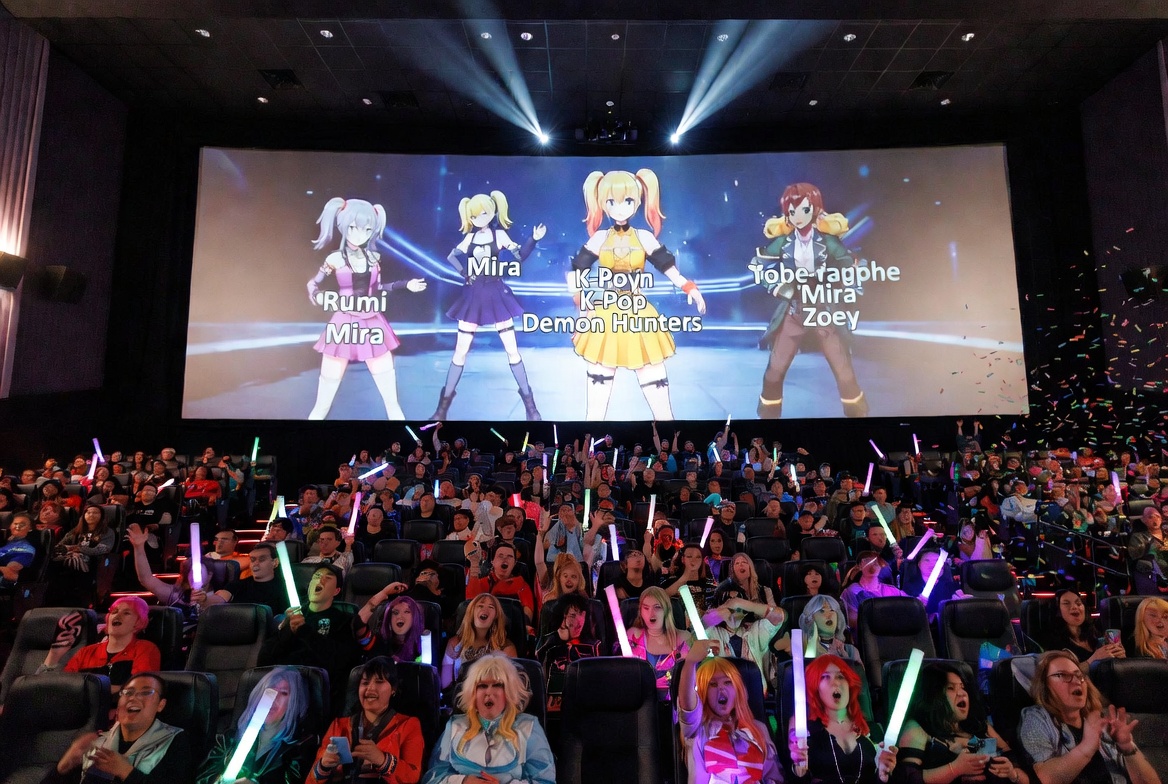
Rather than a wide theatrical release, Netflix and partners opted for limited “event cinema” sing-along versions. These feature the complete film with on-screen lyrics for every song, encouraging audiences to participate vocally. Previous runs included a one-weekend launch in August 2025 (more than 1,000 sold-out screenings across the US, Canada, UK, Australia, and New Zealand) and a Halloween return in late October/early November 2025.
In June 2026, the format returned for the anniversary with showtimes available through major circuits and ticketing platforms such as Fandango and Atom Tickets. The events carry a PG rating, run approximately 96–100 minutes, and target both families and older fans who appreciate the communal energy and cosplay-friendly atmosphere.
These are not traditional wide releases but curated, time-limited activations designed to create urgency, social sharing, and memorable offline moments that reinforce the IP’s cultural footprint.
How It Works: Core Components and Partnership Model
The operational flow involves coordination among Netflix (content licensor), theater chains (exhibition), and ticketing/technology providers.
Content preparation includes a specialized Digital Cinema Package (DCP) or encrypted file with embedded or subtitled lyrics precisely timed to the musical numbers. High-quality audio mixing supports both the film soundtrack and live audience participation without distortion.
Theater operations require standard multiplex screens during off-peak or shoulder periods, or dedicated event slots. Technical riders typically cover lyric projection, lighting cues for audience interaction (light sticks, phone flashlights), and sometimes pre-show or intermission activations.
Ticketing and marketing leverage platforms like Fandango, Atom Tickets, and chain apps for seat maps, dynamic or tiered pricing, and targeted campaigns. Presales often open to verified fan communities or email lists first. Promotion spans social (TikTok, Instagram Reels of past events), K-pop media, and cross-promotion with Netflix’s own channels or merch drops.
Duration and windows are deliberately short — typically one weekend to two weeks — to manufacture scarcity and FOMO while minimizing long-term screen commitment.
Revenue splits, licensing fees, and marketing support are negotiated per event or as part of broader output deals. Cast or crew appearances at select locations (as occurred in New York and Los Angeles previously) amplify local buzz.
Benefits and Advantages
For theater chains, these events deliver higher average ticket prices than standard animated screenings and strong concessions lift audiences often arrive early or stay for themed snacks and drinks. They fill screens that might otherwise sit empty during slower periods and provide differentiation in a market crowded with streaming competition. Repeat visits from superfans and positive word-of-mouth enhance brand perception.
For Netflix and rights holders, the theatrical component generates significant earned media, social conversation, and cultural validation (“first Netflix film to top the box office”). It creates a premium, exclusive-feeling touchpoint that can drive or sustain streaming engagement rather than purely competing with it. Limited windows also yield valuable behavioral data on the most dedicated fans.
For fans and the broader ecosystem, the sing-along format transforms passive viewing into an active, social ritual. Light sticks, group singing, and cosplay create Instagram- and TikTok-ready moments that extend organic reach. Families and multigenerational groups find accessible, joyful entertainment.
Ticketing platforms benefit from transaction volume and the opportunity to promote bundles or future events. Ancillary partners (merch, food & beverage, or even ride-share integrations) can layer additional revenue streams.
Risks, Limitations, and Potential Downsides
Operational complexity is higher than standard programming. Lyric synchronization must be flawless; audio levels require careful calibration to avoid feedback or muddiness when hundreds of voices join in. Technical failures can quickly sour fan sentiment on social media.
Screen opportunity cost is real. Every slot allocated to a limited event is a slot not available for new wide releases or higher-volume standard fare. If turnout underperforms expectations, the financial and reputational hit can be material.
Music performance rights and synchronization clearances add legal and cost layers that standard film bookings do not. Public sing-alongs of copyrighted songs require proper licensing, and any live elements or recordings introduce further considerations.
Marketing reach depends on precise targeting. Broad campaigns waste budget; overly narrow ones miss casual fans or families. Previous sell-outs create secondary-market pressure (scalpers) that can frustrate genuine buyers and damage goodwill.
There is ongoing industry debate about streaming cannibalization. While limited events appear to function more as awareness and loyalty drivers than substitutes, definitive long-term data remains limited. Overuse of the format across multiple titles could dilute perceived exclusivity.
Finally, execution quality varies by location. Inconsistent experiences across a national run can undermine the premium positioning the events are meant to convey.
Comparison with Alternatives
A structured comparison clarifies the trade-offs:
Traditional Wide Theatrical Release (e.g., major studio animated films): Highest upfront marketing and print costs, broadest reach, strongest opening weekend potential, but significant box-office risk and longer screen commitments. Lower per-ticket intimacy than event formats.
Pure Streaming Release: Lowest distribution friction and widest accessibility, strong data collection, but limited communal experience and weaker “event” cultural signaling. Revenue model is subscription-driven rather than per-transaction.
Limited Event Sing-Along (current KPop Demon Hunters model): Lower overall risk and screen commitment than wide release; high engagement and social amplification; premium pricing and concessions upside for exhibitors. Requires specialized content prep and rights clearances. Best suited to titles with passionate, music-oriented fanbases.
Other Event Cinema (concert films, classic revivals, horror marathons): Similar operational profile but different audience demographics and repeat potential. KPop Demon Hunters benefits from animation’s family appeal plus teen/adult K-pop fandom depth.
In practice, the sing-along model occupies a sweet spot for certain high-visibility streaming originals: it borrows theatrical prestige and communal energy without the full financial exposure of a wide release.
Key Considerations Before Using or Adopting
Theater chains and partners evaluating participation should assess several factors rigorously:
- Timing and window strategy: Align with anniversaries, holidays, new music drops, or sequel-adjacent moments to maximize relevance. Short, high-intensity windows outperform longer ones for creating urgency.
- Screen allocation and opportunity cost: Model the revenue per screen against alternative programming. Prioritize locations with proven K-pop or animation audience density.
- Technical and production standards: Verify lyric accuracy, audio calibration capabilities, and vendor support for special DCPs. Test runs at pilot sites are advisable.
- Pricing and packaging: Balance accessibility ($12–15 base) with premium tiers ($17–20+ for better seats or bundles). Consider early-access presales for fan communities.
- Marketing and targeting: Allocate budget to platform-native fan channels (TikTok, Reddit, Discord, K-pop forums) rather than broad demographic buys. Leverage past attendee lists where privacy-compliant.
- Rights and compliance: Confirm all music performance and synchronization licenses are secured well in advance. Address accessibility requirements (captioning, descriptive audio, sensory-friendly options).
- Measurement framework: Define success beyond tickets sold — include social volume, NPS or post-event surveys, attributed streaming lift, and concessions per head. Integrate with broader CRM or loyalty programs.
- Partnership terms: Negotiate clear revenue splits, marketing support commitments, and data-sharing agreements. Clarify who owns post-event attendee relationships.
Real-World Use Cases and Effectiveness
The August 2025 debut run exceeded 1,000 sold-out screenings and briefly placed the title atop the North American box office — a notable milestone for a Netflix original. Cast and director appearances in key markets added prestige and local media coverage. The Halloween return capitalized on seasonal timing and cosplay culture, sustaining momentum.
The June 2026 anniversary screenings are following the same limited-window playbook, with availability already listed across major circuits and ticketing apps. Early indicators from prior cycles suggest strong repeat interest from superfans and positive word-of-mouth that extends the film’s cultural half-life on the streaming platform.
Theaters report meaningful concessions lifts and the ability to program “event nights” that attract demographics sometimes underrepresented in standard animated bookings. For Netflix, the activations have contributed to sustained top-10 performance and valuable earned media around the sequel announcement cycle.
Best Practices for Effective Execution
- Secure specialized content assets and test technical delivery well before public on-sale.
- Open presales to verified fan communities and loyalty members first to reward superfans and generate early buzz.
- Invest in high-quality AV execution clear, large lyrics; balanced sound; dynamic but not distracting lighting.
- Layer experiential elements: themed concessions, photo opportunities, pre-show playlists, or limited-edition merch pop-ups.
- Communicate clearly what makes the event special versus regular streaming (communal singing, social atmosphere, limited availability).
- Implement post-event measurement that includes both quantitative (tickets, concessions) and qualitative (social sentiment, survey feedback) signals.
- Build contingency plans for technical issues and communicate transparently with audiences if adjustments occur.
- Document learnings for future titles what worked in specific markets, optimal window lengths, and effective creative assets.
Conclusion
Limited theatrical sing-along events for KPop Demon Hunters illustrate a pragmatic evolution in hybrid release strategy. They allow streaming platforms to borrow theatrical prestige and communal energy on a controlled, low-risk basis while giving theater operators fresh programming that drives incremental revenue and differentiation.
The model is not without friction technical demands, rights complexity, and screen-opportunity costs require careful evaluation. Yet when executed with precision and genuine fan focus, the results have been compelling: sold-out houses, cultural conversation, and measurable extensions of IP relevance.
For US-based theater chains, ticketing platforms, and entertainment strategists, these events offer a replicable template worth studying as more animated and music-driven titles explore similar pathways. Success ultimately hinges on treating the theatrical component as a premium, time-bound experience rather than a standard release one that complements the streaming core rather than competing with it. As the sequel era approaches, the organizations that refine this playbook stand to capture both immediate returns and long-term audience loyalty.
FAQs
Where can I currently find K Pop Demon Hunters showtimes and buy tickets?
Check major chains (AMC, Regal, Cinemark) and platforms including Fandango and Atom Tickets. Search “KPop Demon Hunters Sing-Along” or “KPop Demon Hunters A Sing-Along Event” for June 2026 listings. Availability is limited and location-specific.
Are the sing-along events significantly more expensive than regular screenings?
Pricing is typically modestly premium ($12–20 range depending on market and seat tier) to reflect the special format and limited nature. Many attendees view the communal experience and on-screen lyrics as worth the incremental cost.
Do these limited theatrical runs cannibalize Netflix streaming numbers?
Evidence from prior cycles suggests they function more as engagement and awareness drivers. The short windows and “event” framing appear to encourage rather than replace home viewing for most fans, though precise attribution requires internal data.
What technical requirements do theaters need to meet?
A properly prepared DCP or file with synced lyrics, calibrated audio systems capable of supporting audience participation, and reliable projection. Chains usually receive technical support packages from distributors or specialized vendors.
How do these events compare financially to standard animated bookings for theaters?
Per-screen revenue can be higher due to ticket premiums and concessions lift, but total contribution depends on sell-through and the opportunity cost of displaced programming. High sell-out rates in past runs have made them attractive for participating locations.
What marketing approaches have proven most effective?
Targeted outreach through K-pop and animation fan communities, social video of previous events, presales for verified fans, and cross-promotion with Netflix and merch partners. Broad demographic advertising tends to be less efficient.
Are there accessibility accommodations for sing-along events?
Many locations offer captioning or sensory-friendly options. Prospective attendees should check specific theater listings or contact the venue, as offerings vary.
Could this model expand to other Netflix or streaming titles?
Yes. Titles with strong musical components, dedicated fandoms, or animation appeal are natural candidates. The key variables remain rights clearance feasibility, technical readiness, and demonstrated fan demand for communal experiences.