


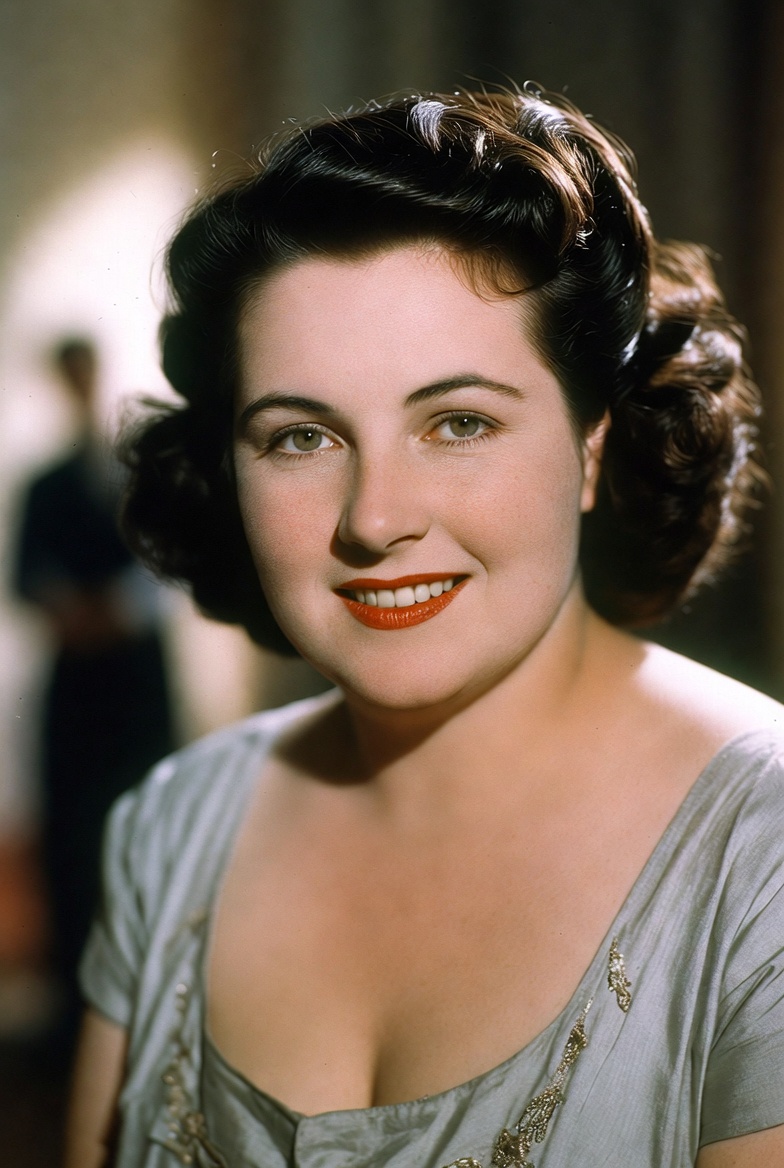
Lauretta Giegerman lived a life defined by quiet strength and deliberate privacy. She spent decades as the wife of one of America’s most powerful organized crime figures. Yet she never sought the spotlight that surrounded her husband.
Born in the closing years of the 19th century, she began her adult life as a Broadway showgirl. She later chose the role of devoted spouse during Prohibition, the Great Depression, and the turbulent postwar years. Her story offers a rare glimpse into the private world behind New York’s notorious underworld.
Public records and contemporary accounts portray her as a pleasant, resilient woman who valued normalcy over notoriety. She supported her husband through legal battles, an assassination attempt, and shifting power dynamics in organized crime. At the same time, she maintained a low public profile that stood in stark contrast to the flashy reputations of many mob wives.
This profile explores her journey from Manhattan show stages to a carefully guarded life on Central Park West and Long Island. It examines the choices she made and the legacy she left behind.
Quick Bio
| Category | Details |
|---|---|
| Full Name | Lauretta “Bobbie” (or Loretta “Bobby”) Giegerman Costello |
| Birth Date | October 28, 1894 |
| Birthplace | Manhattan, New York City, New York |
| Death | Early to mid-1970s (exact date not publicly confirmed) |
| Spouse | Frank Costello (married 1914–1973) |
| Children | None |
| Profession | Former Broadway showgirl |
| Known For | Long marriage to mob boss Frank Costello; strong preference for privacy |
| Estimated Net Worth | Not publicly disclosed or verified |
| Ethnicity / Heritage | German Jewish (parents immigrated from Germany) |
Early Life and Childhood
Lauretta Giegerman entered the world on October 28, 1894, in Manhattan. New York City was then a booming metropolis filled with immigrants chasing opportunity. Her parents had recently arrived from Germany. They joined thousands of other Jewish families building new lives in crowded neighborhoods.
She grew up in a large household during a time of rapid change. The city pulsed with energy from streetcars, pushcarts, and vaudeville theaters. Young Lauretta experienced both the hardships of tenement living and the excitement of urban progress.
Contemporary descriptions suggest a warm, outgoing personality. These traits likely helped her later navigate the entertainment world and her complex marriage. Her childhood unfolded against the backdrop of the Progressive Era. Women were beginning to claim more public roles even as traditional expectations remained strong.
Family Background and Parents
Lauretta came from a close-knit German Jewish family. Her father, Jacob H. Geigerman, and mother, Cecelia (or Celia) Josephs, had immigrated from Germany. They raised their children with strong cultural and religious traditions while adapting to American life.
She had at least seven siblings. Public records mention Ruth, Harold, Jessie, Jerome, Sidney, Theodore, William, and Dudley among them. Large families were common in immigrant communities of the era. They provided both support and shared responsibility.
The Geigerman household reflected the broader story of Jewish immigration to New York. Parents often worked long hours in garment trades or small businesses. Children balanced school with chores and early jobs. This environment likely instilled in Lauretta a sense of duty and resilience that stayed with her throughout life.
You might also like: Peter Orszag Hair
Education and Early Years
Detailed records about Lauretta’s formal education remain scarce. Like many girls of her generation and background, she probably attended local public schools in Manhattan. These institutions emphasized basic literacy, arithmetic, and Americanization programs for immigrant children.
By her late teens, she showed interest in performance and the lively entertainment scene flourishing in New York. Vaudeville and early Broadway offered young women a path to independence and excitement. This choice marked a departure from more traditional domestic roles expected of many immigrant daughters.
Her early years bridged two worlds. One was the tight-knit Jewish community of her parents. The other was the glamorous, fast-paced theater district that drew dreamers from across the city. This blend of backgrounds shaped the woman she would become.
Career Start and Breakthrough
Lauretta launched her working life as a showgirl in New York’s vibrant vaudeville and cabaret circuit. She performed under the nickname “Bobbie” or “Bobby.” Contemporary accounts describe her as a plump, pleasant performer who brought warmth and charm to the stage.
The early 1910s represented a golden period for live entertainment in New York. Theaters offered escapism during tense times leading up to World War I. Young women like Lauretta found opportunities to earn money and gain a measure of freedom. They performed in revues and variety shows that mixed comedy, dance, and spectacle.
Her stage career proved relatively brief. Marriage soon shifted her focus toward private life. Still, the confidence and poise she developed as a performer likely served her well in later years. She carried herself with quiet dignity even when thrust into the public eye because of her husband’s activities.
Major Works and Achievements
Lauretta left no extensive catalog of credited performances or major productions. Her most significant achievement was the steady, supportive partnership she maintained for nearly six decades. She stood by Frank Costello through his rise in organized crime, multiple legal challenges, and a violent assassination attempt.
She chose discretion over drama at every turn. In an era when some mob associates courted publicity, Lauretta avoided interviews and cameras. This approach helped preserve a degree of normalcy for their household. TIME magazine later described her as a “plump, pleasant” woman who kept a modest home with one longtime maid.
Her quiet strength represented a different kind of success. She navigated the intense pressures of being married to a high-profile crime boss without losing her sense of self or dragging the family into unnecessary scandal. That restraint itself stands as a notable accomplishment in the often chaotic world of mid-century organized crime.
Personal Life, Marriage and Family
Lauretta married Francesco “Frank” Castiglia, better known as Frank Costello, on September 22, 1914, in Manhattan. Some accounts describe her as the sister of one of his close friends or a childhood acquaintance. The couple remained together until Frank’s death in 1973 — a remarkable 59-year union.
They never had children. Contemporary reports confirm the Costellos were childless and appeared content with their private domestic life. They maintained homes in an upscale Central Park West apartment building and a residence in Sands Point on Long Island. These locations reflected a comfortable, upper-middle-class existence rather than the ostentatious displays common among some crime figures.
Lauretta provided steady emotional support during Frank’s frequent legal troubles and power struggles within the Luciano crime family. She reportedly kept early hours and created a calm home environment. Frank himself was described in later years as a sedate husband who preferred quiet evenings over nightlife.
The 1957 Assassination Attempt
One of the most dramatic moments in their marriage occurred on May 2, 1957. A gunman shot Frank in the head in the lobby of their Central Park West apartment building. Lauretta was present or nearby as the couple returned home with a friend.
Frank survived the attack, which authorities later linked to rival Vito Genovese. Lauretta showed composure in the aftermath. She later appeared in news photos attempting to shield her face from photographers while leaving the hospital. The incident underscored the constant danger that surrounded their life, yet the couple continued their low-key routine afterward.
Lifestyle and Public Image
Lauretta cultivated a deliberately private existence. She avoided the flashy nightclubs and social circuits often associated with organized crime circles. Instead, she focused on maintaining a stable home and supporting her husband’s efforts to project a more legitimate public image in his later years.
Contemporary observers noted her pleasant demeanor and modest style. She dressed appropriately for a woman of her social standing without drawing unnecessary attention. The Costellos employed just one servant and lived in a seven-room apartment that, while comfortable, was not extravagant by the standards of wealthy New Yorkers.
Her public image remained consistent across decades: loyal wife, former showgirl, and model of discretion. In a world where many sought notoriety, Lauretta’s choice to stay in the background stood out as a quiet act of independence.
You might also like: Who Is Jane Benyo?
Net Worth and Financial Overview
No verified public records exist for Lauretta Giegerman’s personal net worth. She did not own businesses or hold public assets in her own name that generated documented wealth. Any financial security she enjoyed came primarily through her marriage.
Frank Costello accumulated significant resources through gambling operations, slot machines, and other ventures during his lifetime. Estimates of his wealth at various points ranged widely and were often disputed during tax investigations and congressional hearings. Lauretta benefited from the comfortable lifestyle these activities supported. However, the couple lived relatively unostentatiously compared with some contemporaries.
After Frank’s death in 1973, Lauretta’s financial situation became even less clear in public records. She maintained privacy about such matters until the end of her life. Any specific figures remain speculative and unverified.
Legacy and Life Today
Lauretta Giegerman’s legacy rests on her remarkable ability to maintain dignity and privacy while married to one of the 20th century’s most influential crime bosses. She represents the many women who lived in the shadow of organized crime without becoming public figures themselves.
Her story highlights themes of loyalty, resilience, and the deliberate choice of a private life. In popular culture, depictions of mob wives often emphasize glamour or tragedy. Lauretta’s path offers a more grounded counterpoint — a woman who prioritized stability and discretion over spectacle.
She outlived Frank by several years. The exact date and circumstances of her death in the 1970s remain unclear in widely available public sources. This lack of documentation feels consistent with the private life she cultivated for so long. Today, historians and readers interested in mid-century New York and organized crime history continue to find her story compelling precisely because she stayed out of the headlines.
Conclusion
Lauretta Giegerman lived through extraordinary times while choosing ordinary virtues. She supported her husband through decades of danger and scrutiny. She built a home life centered on stability rather than status. Her journey from Broadway showgirl to steadfast partner behind one of America’s most powerful underworld figures reveals quiet courage and remarkable self-possession.
Her life reminds us that history often overlooks the women who kept families intact amid chaos. Lauretta never sought fame or fortune in her own right. Instead, she secured something rarer: a measure of peace and privacy in a world that offered little of either. Her story continues to fascinate because it humanizes an era dominated by larger-than-life criminal legends.
FAQs
What was Lauretta Giegerman’s connection to Frank Costello?
She was his wife. The couple married in 1914 and remained together until his death in 1973.
When and where did Lauretta Giegerman marry Frank Costello?
They married on September 22, 1914, in Manhattan, New York. Some secondary sources list 1918, but primary records support the earlier date.
Did Frank Costello and Lauretta Giegerman have any children?
No. Historical accounts confirm they remained childless throughout their long marriage.
What was Lauretta Giegerman’s profession before marriage?
She worked as a Broadway showgirl and vaudeville performer under the nickname “Bobbie” or “Bobby.”
Where did the Costellos live during their marriage?
They maintained an apartment on Central Park West in Manhattan and a home in Sands Point on Long Island, New York.
What happened during the 1957 incident involving Frank Costello?
An assassin shot Frank in the head in the lobby of their apartment building. He survived. Lauretta was present or nearby during the attack and its immediate aftermath.
What is known about Lauretta Giegerman’s death?
She outlived her husband and passed away sometime in the early to mid-1970s. The exact date is not clearly documented in public records.
How is Lauretta Giegerman remembered today?
She is remembered as a model of discretion and loyalty. Her story provides a private counterpoint to the public drama of mid-20th-century organized crime in America.