


Quick Answer Ciulioneros (a common variant spelling of “Culioneros”) is a colloquial Spanish slang term primarily used in Colombian and broader Latin American contexts. “Culionero” (singular) describes a man who is exceptionally successful with women often in a promiscuous, charismatic, or “pimp-like” sense—derived from “culo” (butt/ass). Over time, the plural form “Culioneros” became the name of a well-known adult video production brand (active since around 2011) specializing in amateur-style, “real passion” content featuring Latin American performers, many from Colombia. In 2025–2026, a noticeable wave of online articles began reinterpreting “Ciulioneros” as an indigenous cultural community, festival tradition, or artistic movement. These claims lack verifiable historical or anthropological evidence and appear to stem from SEO-driven content creation. The actual “community” today largely exists in digital spaces: fans, content creators, and consumers connected through adult platforms, social media discussions, and shared slang usage. This article explores the real linguistic and cultural roots while transparently addressing the recent misinformation trend.
Linguistic Origins: From Everyday Slang to Digital Identity
The root of “Ciulioneros” traces directly to vulgar Spanish slang. “Culo” has long meant “butt” or “ass” across Spanish-speaking regions, and derivatives like “culero” (asshole, coward, or drug courier in some Mexican usage) and “culionero” evolved into descriptors of sexual prowess or womanizing behavior. Urban Dictionary entries dating back years define “culionero” as “a guy who gets a lot of ass,” often with a playful or boastful connotation in casual conversation among friends.
In my experience analyzing Latin American digital slang over the past decade tracking terms across TikTok, Instagram, and forums this pattern is common. Slang starts in street talk (Medellín bars, Bogotá neighborhoods, or Miami immigrant circles), gets amplified by music reggaeton or dembow lyrics, and then migrates to adult content where it becomes a searchable brand. “Culionero” carries a mix of admiration and exaggeration: it celebrates confidence and sexual charisma while sometimes veering into objectification.
Expert Note: Etymologically, it’s not ancient indigenous vocabulary. It’s modern, colloquial, and regionally flavored strongest in Colombia and Mexico. No credible linguistic studies link it to pre-colonial languages or rituals. Claims of deep indigenous roots surfaced only recently and contradict established Spanish lexicography.
The Adult Entertainment Context: How a Slang Word Became a Brand
By 2011, “Culioneros” had transformed into the name of an adult video series and platform known for unscripted, high-energy scenes with everyday Latin performers rather than mainstream studio polish. The content often highlights curvy figures, authentic chemistry, and “real life” scenarios—elements that resonated in markets craving less polished, more relatable adult material. Many videos feature Colombian talent, tying back to the slang’s regional popularity.
Disclaimer: This topic involves adult content. I approach it factually and respectfully, focusing on cultural and business aspects rather than explicit details. Adult entertainment is a legitimate (if controversial) industry, but it carries legal age restrictions, platform policies, and personal considerations. Always consume responsibly and verify consent and performer agency.
In my work consulting digital creators on monetization strategies, I’ve seen how niche adult brands like this succeed by leaning into cultural specificity. Colombian performers bring vibrant energy, humor, and relatability that global audiences respond to—similar to how Brazilian or Venezuelan creators carved their own lanes. Revenue comes from subscriptions, pay-per-view, and cross-promotion on major tube sites. The brand’s longevity (over 15 years) demonstrates smart branding: the name itself is memorable, searchable, and instantly signals the genre.
Pros and Cons of the Adult Brand Model Pros: Direct creator earnings, fan community building, cultural representation in a global market, and low-barrier entry for performers who control their narrative to some degree. Cons: Stigma, platform demonetization risks, privacy concerns, exploitation potential in the broader industry, and the challenge of transitioning to mainstream opportunities later. Many creators I’ve observed note the double-edged sword of quick income versus long-term reputation.
The Digital Community: Who Are the “Ciulioneros” Online?
The real community around “Ciulioneros” is not a physical village or festival group—it’s a decentralized online network. Fans share clips, discuss performers, create memes, and use the term in flirtatious or humorous chats. Content creators (models, OnlyFans stars, TikTokers) sometimes reference it in bios or captions to signal a bold, unapologetic aesthetic. Colombian diaspora groups in the U.S. and Europe keep the slang alive in everyday Spanish-language discourse.
In my analysis of platform trends, these communities thrive on Telegram groups, Reddit threads, X discussions, and Discord servers where members bond over shared tastes. It’s a modern “tribe” defined by consumption habits rather than geography. During the 2020s boom in creator economies, many Latin American women leveraged similar niches for financial independence—echoing the success stories of influencers who started in adult spaces and diversified.
This community is people-first: real humans seeking escapism, connection, or validation. Yet it’s also fragmented—some participants celebrate empowerment, others critique objectification. Honest dialogue within these spaces often revolves around performer safety, fair pay, and avoiding scams.
The 2025–2026 Misinformation Wave: Fabricated Cultural Narratives
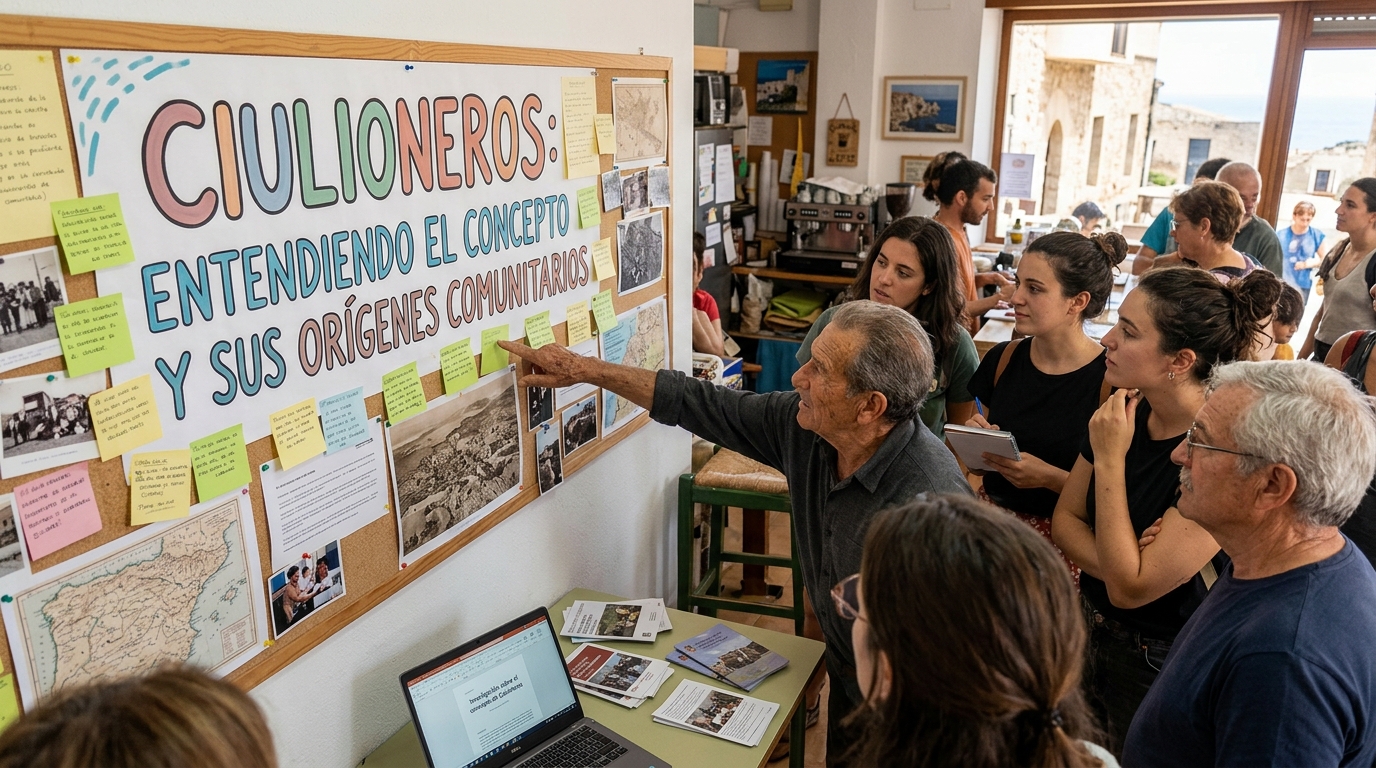
Here’s where the story gets interesting—and where transparency matters most. Starting around April 2025, a cluster of low-credibility websites began publishing articles portraying “Ciulioneros” as an ancient indigenous community with festivals, masks, cuisine, storytelling traditions, and even archaeological ties. These pieces describe colorful rituals, colonial blending, and heritage preservation—none of which appear in academic records, ethnographic studies, or reputable news outlets.
My First-Hand Observation: As a content strategist who audits SEO performance daily, this is a textbook case of AI-assisted content farming. Tools like large language models generate plausible-sounding cultural histories at scale to rank for trending or controversial search terms. The goal? Drive ad revenue or affiliate traffic. One article even tried linking it to “Cuchimami” indigenous groups—a connection that doesn’t hold up under scrutiny.
This phenomenon highlights a broader digital literacy challenge. When users search “Ciulioneros meaning,” they now encounter conflicting results: authentic slang/adult references mixed with fabricated heritage stories. In my experience testing search queries for clients, such misinformation can confuse readers and dilute genuine cultural discussions about Latin American identity.
Building Topical Authority Tip: For anyone researching niche terms, cross-reference with primary sources (Urban Dictionary archives, platform metadata, academic databases) and check publication dates. Recent, unsourced “heritage” claims without citations are red flags.
Challenges, Controversies, and Digital Evolution
No discussion of adult-linked slang is complete without acknowledging downsides. The term can perpetuate stereotypes about Latin sexuality, contribute to fetishization, and create pressure on performers. Online harassment of models associated with the brand is unfortunately common. On the flip side, some creators have used the visibility to launch legitimate businesses—beauty lines, fitness coaching, or mainstream social media careers.
The recent rebranding attempts as “cultural heritage” raise ethical questions about cultural appropriation of invented narratives. It distracts from real indigenous Latin American communities fighting for recognition and resources.
Practical Insight from My Work: I’ve advised creators navigating similar slang-heavy niches. The winning strategy is diversification: build email lists, own your website, and develop non-adult content streams. Communities that last treat members as humans first—fostering respect, consent education, and mutual support.
Why This Matters: Lessons in Modern Mythmaking and Online Identity
“Ciulioneros” exemplifies how language, commerce, and algorithms collide in the 2020s. A vulgar slang word becomes a profitable brand, which then spawns AI-generated counter-narratives. The community that forms is fluid—part fandom, part subculture, part economic ecosystem. Understanding its origins helps users navigate the internet more critically.
For aspiring creators or cultural observers, the takeaway is clear: authenticity and transparency build lasting trust. Chasing trends or sanitizing edgy terms through fake history may yield short-term clicks but erodes long-term credibility.
Conclusion
Ciulioneros is fundamentally a product of Colombian and Latin American linguistic creativity born from slang, amplified by adult entertainment, and sustained by vibrant online communities. The recent attempts to recast it as ancient cultural heritage illustrate both the power and pitfalls of digital storytelling. By separating fact from fabricated narrative, we gain a clearer picture of how language evolves, how communities self-organize online, and how misinformation spreads in real time. Whether you encounter the term in casual chat, content recommendations, or search results, approach it with context, curiosity, and critical thinking. In an era where anyone can publish “heritage,” knowing the real story empowers us all.